
When Getting Older Doesn’t Feel Quite Like You Expected
There are days when we don’t quite recognize ourselves.
We wake up tired, even after a full night’s sleep. We worry about things that never used to trouble us. Some days, leaving the house feels like too much effort. Other days, we want to get out but can’t seem to find the motivation.
And then comes the question many older adults quietly ask: Is this just what getting older is supposed to feel like?
Anxiety and depression aren’t simply a normal part of aging. Yet they can be difficult to recognize when life itself has changed so much.
Perhaps a spouse or close friend has passed away. Maybe driving is no longer an option. Health concerns have become more complicated, or more time is spent alone. There may be worries about children, finances or whether it’s still safe to remain at home.
Sometimes, all of those changes begin to pile up.
Even Clint Eastwood Has Something to Say About Aging
Actor and filmmaker Clint Eastwood has never seemed particularly interested in pretending that age doesn’t exist.
As he approached 80, Eastwood offered a perspective many older adults might appreciate: “Eighty is just a number. A lot of people are old at 40.”
He has also spoken about accepting the realities of getting older rather than spending too much energy fighting against them.
There’s something freeing about that idea. Growing older doesn’t mean pretending everything is the same. Life may look very different than it did 10, 20 or 30 years ago. But different doesn’t have to mean over.
Where Do You Start?
For someone struggling with anxiety or depression, the first step doesn’t have to be solving everything. It may simply be telling someone.
That might mean talking to a doctor, family member, close friend, pastor or counselor.
“I haven’t been feeling like myself lately.”
That’s enough to begin a conversation.
A doctor can also help determine whether medications, sleep problems, other health conditions or major life changes may be contributing to the way someone feels. Depression and anxiety can look different in older adults, and the symptoms aren’t always obvious.
Seeking help isn’t a sign of failure. It’s another form of taking care of yourself.
Start Small
When someone is struggling emotionally, ordinary activities can suddenly feel like major tasks.
That’s why small steps matter.
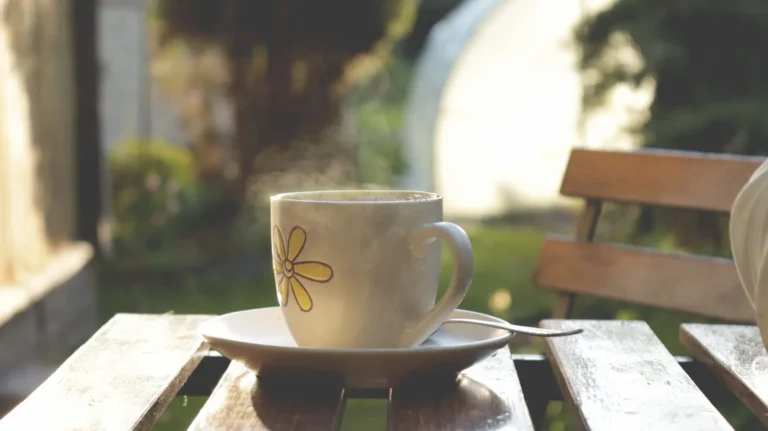
Take a walk. Sit outside with a cup of coffee. Call a friend. Have lunch with someone. Attend an activity at the senior center. Get dressed and leave the house, even when motivation is low.
These simple activities provide structure and connection—things that can disappear when someone is feeling depressed or anxious.
Eastwood once said, “If there’s any advantage to age, it’s knowledge and experience.”
A lifetime brings perspective. We’ve weathered difficult seasons, loved people, built friendships and overcome challenges. We may not be able to do everything we once did, but that doesn’t mean there aren’t still things to anticipate, enjoy and contribute.
If this sounds familiar, don’t dismiss it as simply “getting older.”
Start with one conversation. One phone call. One appointment.
Sometimes, saying “I’m not feeling like myself, and I think I need some help” is the first step toward feeling like yourself again.
Sherry Kutz, Managing Director of Assured Assistance, LLC, Home Care company. If you are a caregiver who needs respite, a family member looking to assist your parents in their journey to remain independent or simply looking for help for yourself, call Assured Assistance at 610-796-4737.